

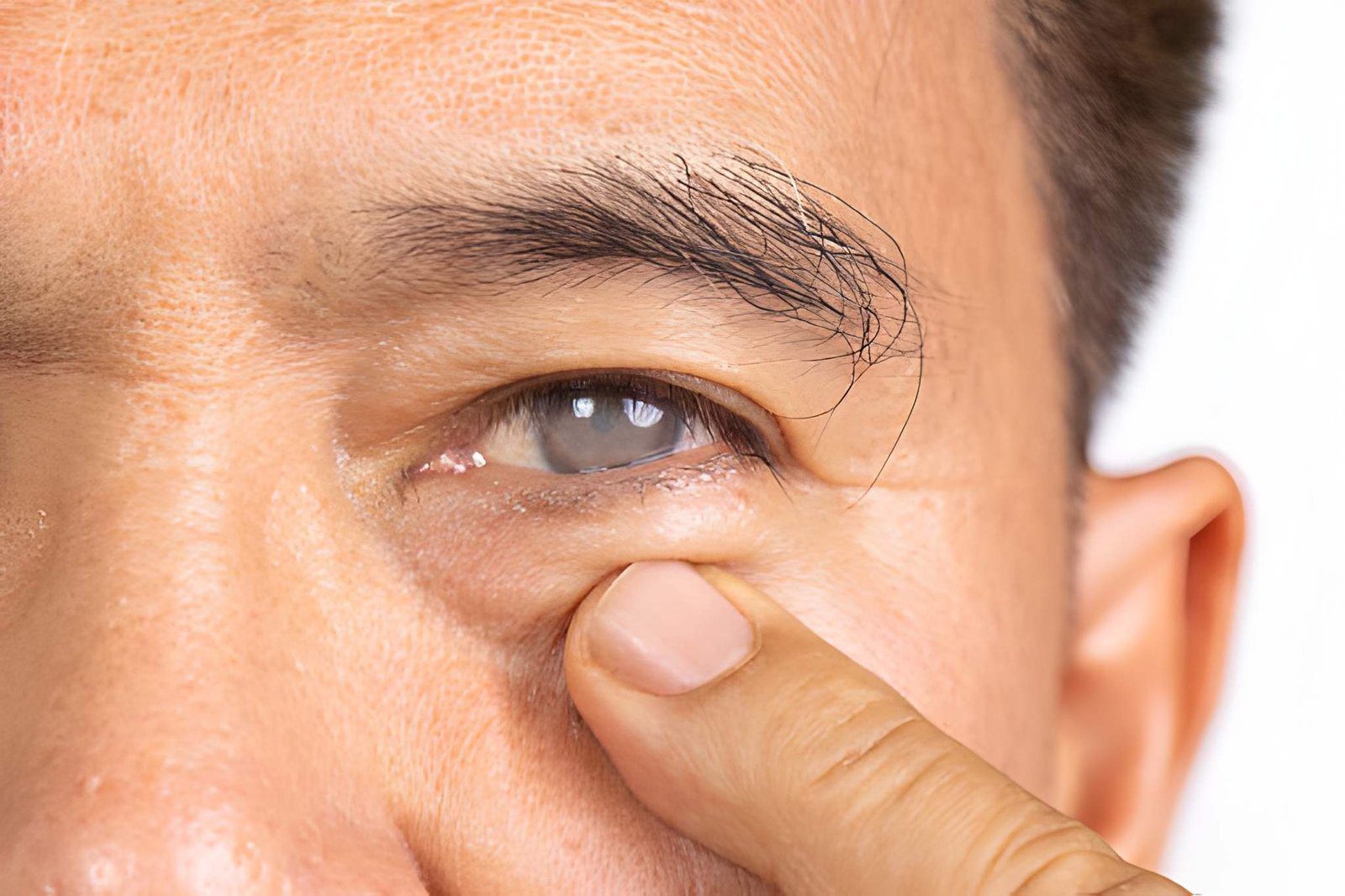
Cataract Surgery
Cataracts are one of the most common eye conditions, particularly among older adults. They gradually affect the quality of vision, causing blurred vision and making everyday activities more difficult. With the significant advances in modern ophthalmology and cataract surgery, cataract procedures have become among the safest and most successful surgeries worldwide, helping patients restore clear vision and return to their normal daily lives within a short period.
What Is a Cataract?
A cataract is a condition that occurs when the natural lens inside the eye becomes cloudy and loses its transparency. This prevents light from passing normally through the lens and reaching the retina, resulting in blurred vision and a gradual decline in visual acuity if the condition is not treated appropriately.
What Are the Symptoms of Cataracts?
Cataracts usually develop gradually. Common symptoms include:
- Blurred or cloudy vision.
- Difficulty seeing while driving at night.
- Increased sensitivity to light.
- Seeing halos around lights.
- Frequent changes in eyeglass prescription.
- Reduced ability to distinguish colors.
- An overall decline in visual quality.
If these symptoms occur, it is recommended to consult an ophthalmologist for a comprehensive eye examination to determine the severity of the cataract and whether surgical treatment is necessary.
Causes and Risk Factors for Cataracts
Cataracts develop when the natural lens inside the eye gradually loses its transparency, resulting in blurred vision and reduced visual acuity. Several factors can increase the risk of developing cataracts, including:
1. Aging
Age is the most common risk factor for cataracts. As we age, changes occur in the proteins within the natural lens, causing it to gradually become cloudy and less transparent.
2. Diabetes
Persistently elevated blood glucose levels can increase the risk of developing cataracts and may cause them to develop at a younger age compared with people without diabetes.
3. Prolonged Sun Exposure
Long-term exposure to ultraviolet (UV) radiation without appropriate eye protection may increase the risk of developing cataracts.
4. Smoking
Cigarettes contain harmful substances that can damage ocular tissues and increase the risk of cataract development over time.
5. Long-Term Corticosteroid Use
Prolonged use of certain corticosteroid medications, whether in the form of tablets, eye drops, or inhalers, may increase the risk of developing cataracts.
6. Eye Injuries
Trauma or direct injury to the eye can cause cataracts, including in younger individuals.
7. Genetic Factors
Genetic factors may contribute to an increased risk of cataracts in some individuals, particularly when there is a family history of the condition.
8. Previous Eye Surgery
In certain cases, previous eye surgery or chronic conditions affecting the eye may increase the likelihood of developing cataracts later in life.
9. Poor Nutrition
Deficiencies in certain vitamins and antioxidants that are important for ocular health may contribute to an increased risk of cataract development.
10. Certain Chronic Diseases
Conditions such as high blood pressure, autoimmune diseases, and certain metabolic disorders may affect the health of the natural lens over time.
Although some risk factors for cataracts, such as aging and genetic predisposition, cannot be prevented, maintaining a healthy lifestyle, controlling chronic diseases, and undergoing regular eye examinations can help reduce certain risk factors and detect cataracts at an early stage.
Different Treatment Options for Cataracts
Treatment for cataracts depends on how significantly the condition affects the patient’s vision and daily activities. During the early stages, certain simple measures may temporarily improve vision. However, the definitive treatment for a visually significant cataract is surgery to remove the cloudy natural lens and replace it with a clear artificial intraocular lens (IOL).
Improving Vision During the Early Stages
When cataracts are in their early stages, patients may temporarily improve their vision through:
- Updating their eyeglass prescription.
- Using brighter lighting when reading.
- Wearing sunglasses to reduce glare and protect the eyes from UV radiation.
- Having regular follow-up examinations with an ophthalmologist.
These measures do not treat or remove the cataract itself. They only help the patient manage the visual symptoms for a limited period.
Cataract Surgery
Surgery is the only definitive treatment capable of removing a cataract and restoring clear vision when the cataract significantly affects visual function.
During cataract surgery, the cloudy natural lens is removed and replaced with a clear artificial intraocular lens.
Cataract Surgery Using Phacoemulsification
Phacoemulsification is one of the most commonly used techniques for cataract surgery. During the procedure, the cloudy natural lens is fragmented using ultrasound energy, removed from the eye, and replaced with an artificial intraocular lens.
Advantages of Phacoemulsification:
- Very small surgical incision.
- Short procedure time.
- Rapid visual recovery.
- High success rate.
- No stitches are required in most cases.
Femtosecond Laser-Assisted Cataract Surgery
In selected cases, femtosecond laser technology can be used to assist with certain steps of cataract surgery with a high degree of precision. The laser performs specific parts of the procedure that would traditionally be performed using surgical instruments.
Advantages of Femtosecond Laser-Assisted Cataract Surgery:
- Greater precision during certain stages of surgery.
- Reduced manual intervention during selected steps.
- Excellent visual outcomes in appropriately selected patients.
Cataract Surgery Combined with Vision Correction
Modern cataract surgery can also provide an opportunity to correct certain refractive errors during the same procedure through the implantation of advanced intraocular lenses.
These lenses may include:
- Monofocal lenses.
- Multifocal lenses.
- Trifocal lenses.
- Toric lenses for astigmatism correction.
These advanced options can help many patients reduce their dependence on glasses following surgery.
Choosing the Appropriate Intraocular Lens
The selection of the appropriate intraocular lens depends on several factors, including:
- The patient’s age.
- Occupation and lifestyle.
- The presence of astigmatism.
- The health of the retina and optic nerve.
- The patient’s desire to reduce dependence on glasses.
Therefore, comprehensive preoperative examinations and precise measurements are essential for achieving the best possible visual outcome.
Are There Eye Drops That Can Treat Cataracts?
At present, there are no approved eye drops or medications that can remove an established cataract or restore the transparency of the natural lens. Therefore, cataract surgery remains the only definitive and effective treatment when a cataract significantly affects visual quality.
Cataract Surgery Outcomes
Cataract surgery is one of the most successful procedures in modern ophthalmology. It helps most patients achieve clearer vision and a significant improvement in their quality of life.
The likelihood of achieving an excellent outcome is enhanced by appropriate patient selection, accurate preoperative measurements, an experienced ophthalmic surgeon, modern surgical technology, and selection of the most suitable intraocular lens for each individual patient.
When Does a Patient Need Cataract Surgery?
The timing of cataract surgery is not determined solely by the size or density of the cataract. Instead, the decision is primarily based on how significantly the cataract affects the patient’s vision and ability to perform everyday activities.
Surgery may be recommended when cataracts begin to interfere with:
- Driving.
- Reading.
- Watching television.
- Working.
- Normal daily activities.
How Is Cataract Surgery Performed?
Cataract surgery is performed using modern surgical techniques to remove the cloudy natural lens and replace it with a clear artificial intraocular lens, restoring the eye’s ability to focus light properly.
Steps of Cataract Surgery
- The eye is numbed using local anesthesia, usually with anesthetic eye drops.
- A very small incision is made in the cornea.
- The cloudy lens is fragmented using ultrasound energy.
- The fragmented lens material is removed from the eye.
- A modern artificial intraocular lens is implanted inside the eye.
- The procedure is completed without stitches in most cases.
The procedure typically takes approximately 10 to 20 minutes, and most patients can return home on the same day.
After the cloudy natural lens is removed during cataract surgery, a clear artificial intraocular lens is implanted to restore visual quality. Intraocular lens technology has advanced significantly in recent years, providing a wide range of options tailored to each patient’s visual needs and lifestyle.
1. Monofocal Lens
Monofocal lenses are the most commonly used intraocular lenses in cataract surgery. They provide clear vision at one primary distance, most commonly distance vision.
Advantages:
- Excellent distance vision.
- Lower cost compared with premium lens options.
- Stable and reliable visual outcomes.
Limitations:
- The patient may still need reading glasses or glasses for close-up activities after surgery.
2. Multifocal Lens
Multifocal lenses are designed to provide functional vision at near, intermediate, and distance ranges, reducing dependence on glasses after cataract surgery.
Advantages:
- Good vision for many everyday activities.
- Reduced dependence on glasses.
- Improved visual independence and quality of life.
Potential Limitations:
- Some patients may notice halos or glare around lights, particularly at night, especially during the initial adaptation period.
3. Trifocal Lens
Trifocal lenses are among the advanced premium intraocular lens options. They are designed to provide functional vision across near, intermediate, and distance ranges.
Advantages:
- Comprehensive vision for many everyday activities.
- Significant reduction in dependence on glasses.
- Advanced visual performance for appropriately selected patients.
4. Toric Lens
Toric intraocular lenses are designed for patients who have astigmatism in addition to cataracts.
Advantages:
- Correction of astigmatism during cataract surgery.
- Improved visual quality.
- Reduced dependence on glasses.
- Accurate and stable refractive correction.
5. Extended Depth of Focus (EDOF) Lens
Extended Depth of Focus (EDOF) lenses are designed to provide an extended range of clear vision, particularly for distance and intermediate tasks, while potentially reducing certain visual disturbances associated with some multifocal lens designs.
Advantages:
- Excellent functional vision for activities such as driving and computer use.
- Reduced dependence on glasses.
- High-quality visual performance for appropriately selected patients.
How Is the Appropriate Intraocular Lens Selected?
The selection of the appropriate intraocular lens depends on several important factors, including:
- The patient’s age.
- Occupation and lifestyle.
- The presence or absence of astigmatism.
- The condition of the retina and optic nerve.
- The patient’s desire to reduce dependence on glasses.
- The results of detailed preoperative examinations and biometric measurements.
Which Intraocular Lens Is the Best?
There is no single intraocular lens that is considered the best choice for every patient. Each patient has different visual requirements, ocular characteristics, lifestyle needs, and expectations.
Therefore, Dr. Mohamed El Naggar performs detailed examinations and discusses the available lens options with each patient to help select the lens that can provide the most appropriate visual quality and long-term outcome following cataract surgery.
Choosing the appropriate intraocular lens is almost as important as the surgical procedure itself, as it can play a significant role in determining the patient’s visual comfort, quality of vision, and level of spectacle independence for many years after surgery.
Advantages of Modern Cataract Surgery
Modern cataract surgery offers several potential benefits, including:
- A very high success rate.
- A short surgical procedure.
- Rapid recovery.
- No need for hospitalization in most cases.
- Significant improvement in visual quality.
- The ability to correct certain associated refractive errors in selected patients.
Postoperative Instructions
To support proper healing and achieve the best possible results after cataract surgery, patients are generally advised to:
- Use prescribed eye drops regularly as directed.
- Avoid rubbing or pressing on the eye.
- Avoid excessive exposure to dust and smoke.
- Avoid heavy lifting during the initial recovery period.
- Attend all scheduled follow-up appointments with the ophthalmologist.
Can Cataracts Be Prevented?
Cataracts cannot always be completely prevented. However, certain measures may help reduce some risk factors:
- Maintain good control of diabetes.
- Wear appropriate sunglasses that provide UV protection.
- Follow a healthy, balanced diet rich in antioxidants.
- Have regular comprehensive eye examinations.
- Avoid smoking.
Conclusion
Cataract surgery is one of the most successful procedures in modern ophthalmology. It provides patients with an opportunity to restore clearer vision and significantly improve their quality of life.
With timely diagnosis, accurate preoperative assessment, appropriate surgical techniques, and careful selection of the most suitable intraocular lens, patients can achieve excellent visual outcomes and regain clearer, more comfortable vision.